Sub-Second Speeds Guaranteed on Chicago 5G Mobile Networks.
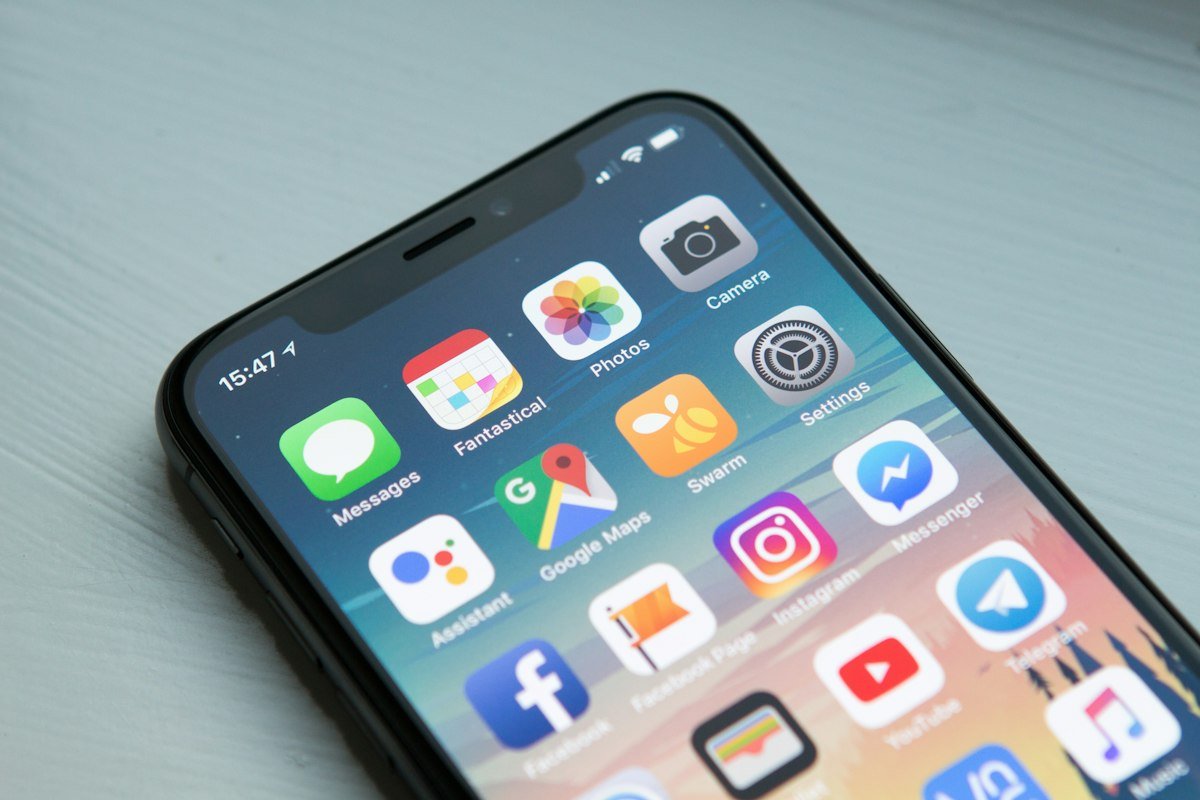
Over 53% of mobile visitors abandon a website that takes longer than 3 seconds to load. We engineer clean block architecture, inline critical CSS, and tune LiteSpeed server caching to guarantee sub-0.8s mobile delivery on AT&T, Verizon, and T-Mobile cellular endpoints.
Why Most Existing Sites Crawl
Traditional websites suffer from render-blocking CSS, heavy JavaScript libraries like jQuery, uncompressed 3MB hero images, and slow database queries that take 1.5 seconds just to begin sending data to the browser.
On mobile 5G connections in downtown Chicago or suburban transit corridors, this lag directly causes lost customer phone calls, abandoned booking forms, and lower Google organic rank.
Our 6-Stage Speed Engineering Protocol
- Critical CSS Inlining: Above-the-fold styles render instantly without external file blocking.
- Next-Gen Image Pipeline: Automated conversion to AVIF and WebP with explicit height/width dimensions.
- Font Subsetting: Self-hosted WOFF2 typography with display=swap.
- LiteSpeed Cache Tuning: Event-driven full-page cache with ESI fragment support.
- Redis Object Caching: Persistent in-memory query storage.
The ChicagoWeb Speed Guarantee
If your bespoke website does not achieve a 90+ mobile Google PageSpeed performance score upon deployment, we optimize it at our own expense until it passes. No exceptions, no excuses.
Speed & Core Web Vitals FAQs
What are Google Core Web Vitals and why do they affect SEO?
Core Web Vitals are Google’s official user experience ranking signals: Largest Contentful Paint (loading), Interaction to Next Paint (responsiveness), and Cumulative Layout Shift (visual stability). Sites failing these metrics are penalized in mobile search rankings.
How do you test speed across real Chicago mobile networks?
We test using WebPageTest and Google Lighthouse emulated on real mobile hardware across Chicago-based test server nodes on LTE and 5G connections to ensure real-world accuracy.
Can you speed up an existing slow WordPress website?
Yes. Through our Speed Lab Sprint, we perform script tree-shaking, database query optimization, Redis object caching implementation, and asset minification to dramatically accelerate existing builds.
Does faster speed directly increase inbound client leads?
According to Google and Deloitte research, every 100ms improvement in page speed lifts conversion rates by up to 8%. Sub-second pages create instant credibility and frictionless form submissions.
What is Time to First Byte (TTFB) and why is it critical?
TTFB measures the time between the browser requesting a URL and receiving the first byte of response from the web server. High TTFB indicates slow database queries or lack of page caching.
How do you handle third-party tracking scripts without slowing down the site?
We defer non-critical analytics, load tracking tags via asynchronous web workers or delayed trigger rules, and eliminate redundant tracking pixels.
What is Cumulative Layout Shift (CLS) and how do you achieve 0.00?
CLS occurs when elements jump around as images or banners load. We define strict dimension ratios for all images, banners, and fonts, eliminating visual shifting completely.
What server hosting environments do you recommend for maximum speed?
We recommend LiteSpeed Enterprise or Nginx server stacks paired with Redis persistent object caching and Cloudflare Enterprise edge routing.